Choosing the Best Chicken Coop Bedding: An In-depth Comparison
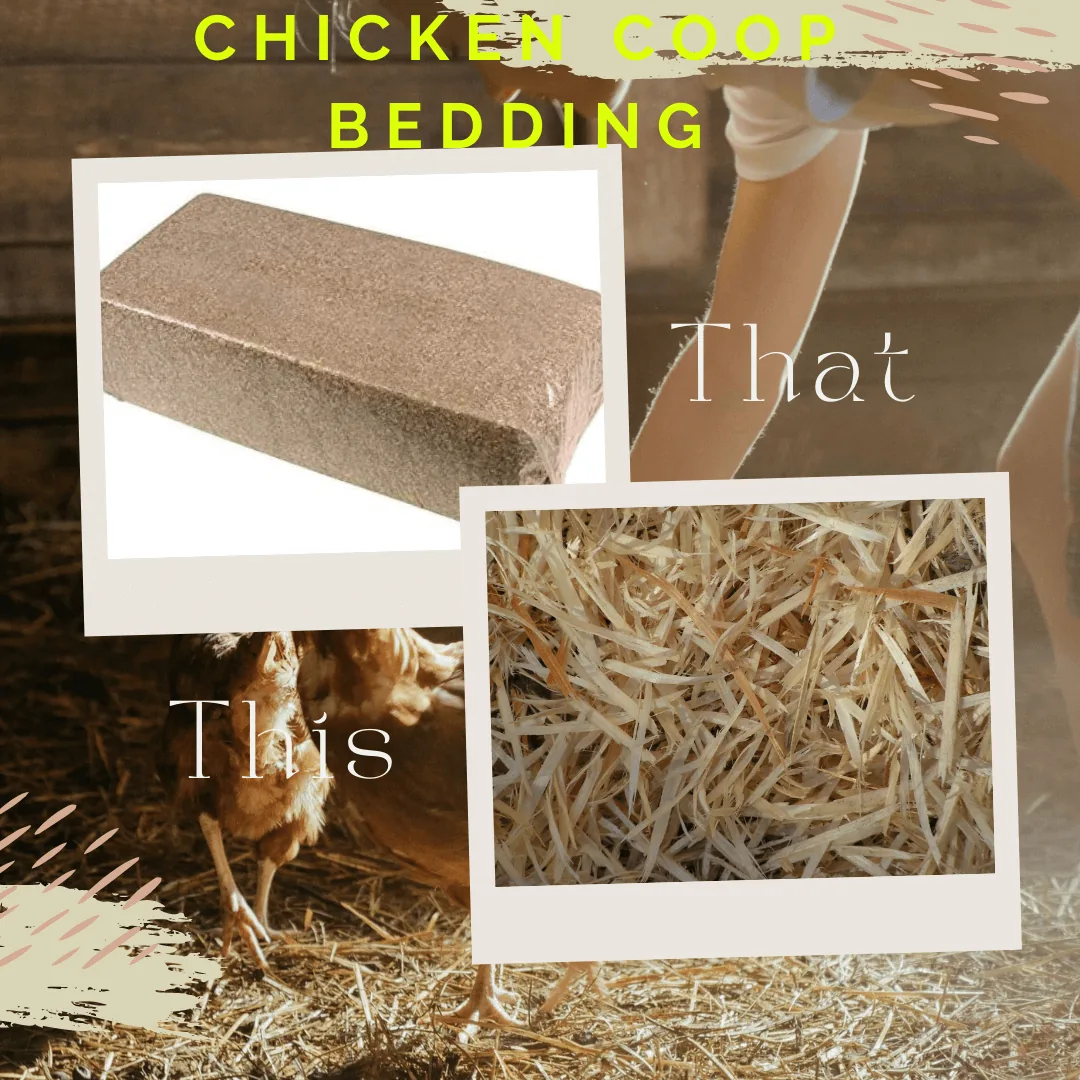
When it comes to choosing a coop bedding for your chickens, a lot of factors come into play. Some might be good in the short term but may end up doing more harm than good in the long run.
It is important to know about these factors. Here, I’ll cover some of the most popular beddings in-depth. This article will be helpful specifically for those who are having a hard time deciding which sort of bedding to use.
I’ll discuss various types of beddings and present an unbiased opinion at the end. This opinion of mine will also be based on practical experience that I’ve had with these.If you want to know the best type of bedding, you probably know what bedding is. Even if you don’t, you don’t have to open up a new tab and search what bedding or a coop is. I’ll cover everything here.A coop is a cage or a place in which chickens are kept. Just like a pen is for a dog, a coop is for chickens. If you were to place your chickens in a cardboard box, that box would be your chickens’ coop.This is the equivalent of a carpet in your apartment. Here’s an example to help you understand better.
If you are a chicken, your apartment is the coop and the carpet is the bedding for your “coop.”
(Please, don’t kill me for calling you a chicken)
Does a coop always need bedding? Nope. Bedding isn’t always needed, but it’s always preferable to use it if you can.
Unless your coop is a fairly small one and your chickens frequently have access to open natural space, you’re going to need bedding.Of course, my personal experience will be a significant factor in deciding which bedding is the best among all these.
However, my opinion might be biased. That is why I decided to use some solid, concrete and measurable metrics which would help me decide the winner.
- Amount of cleanliness required
- Moisture absorption
- Toxicity level and Bacteria
- Availability and pricing
- Dustiness
Two of these factors are not completely universal; availability and pricing both depend on your location. But generally speaking, what I write will be true.Some of these beddings are used for commercial purposes as well because of how good they are. I will be writing this guide from the perspectives of both commercial and domestic purposes.
Here are some famous bedding materials and my opinion on them:

Very famous for domestic use, straws are easily available. They’re not as cheap as other options but are pretty good.Straws do not release moisture as quickly as other materials do. It’s the worst when it comes to releasing moisture.
Water retention is so important because it affects the chicks’ health. A study found that the prevalence of footpad dermatitis (FTD) depended on the bedding material’s ability to absorb and release moisture quickly.¹As far as cleanliness is concerned, they are not exactly the easiest to maintain. They may seem like they don’t require proper cleanliness every now and then, but you couldn’t be more wrong.
They do require a lot of cleanliness. When I used straws as bedding, I had to clean them almost daily – at max, every other day.Oh, and this isn’t the worst part about straws. They contain bacteria more than almost any other bedding material does. It might be because of its inorganic nature, but I can’t say for sure.Since a lot of different factors are responsible in a study, it can be hard for an experiment to be universal. Some experiments suggest that straws have a strong tendency towards dustiness.
However, I did not find that to be true in my personal experience. The straw bedding that I used did not gather that much dust.
- Less Dustiness
- Cheap
- Easily Available
- Toxic
- High Water Retention
- Require Cleanliness
- Bacteria
The cons far outweigh the pros. Thus, this is not a feasible option.
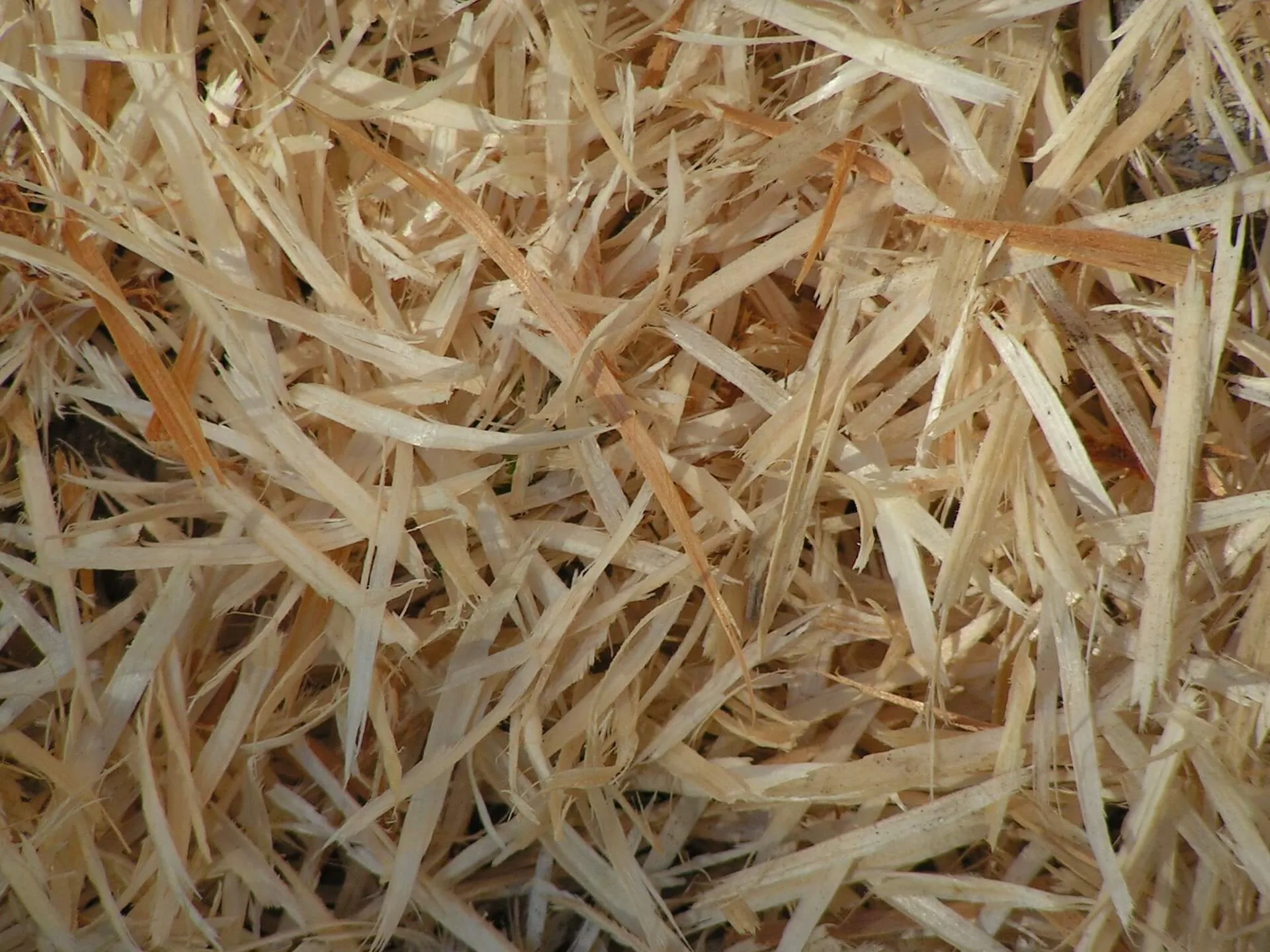
This is probably the most famous one. I myself used this a lot. These are readily available. Although not as cheap as other options, they are still very cheap.They release moisture better than straws do. So, in this regard, they are better than straws are.They are relatively easier to clean than straws are. Generally speaking, I would say that they are easy to clean.Usually, a lot of factors come into play while doing research and experiments. That is why the results vary a lot. Some experiments suggest that pine shavings have a high bacteria production while others suggest that it has a low.
(The definition of “high” or “low” bacteria production is arbitrary.)They are pretty dusty as well. Not as well as straws are though (even though you’d expect them to be dustier).
This one falls right in the sweet spot. If your budget is low, but you want the best bedding for that price, pine shavings are what you want to go for.Unlike other options in this list, pine shavings have a rather pleasant aroma. When it’s supposed to smell, the scent neutralizes the smell and cancels the smell.
If smells bother you, consider going for pine shavings.
- Readily available
- Cheap
- Easy to Clean
- Pleasant smell
- Dusty
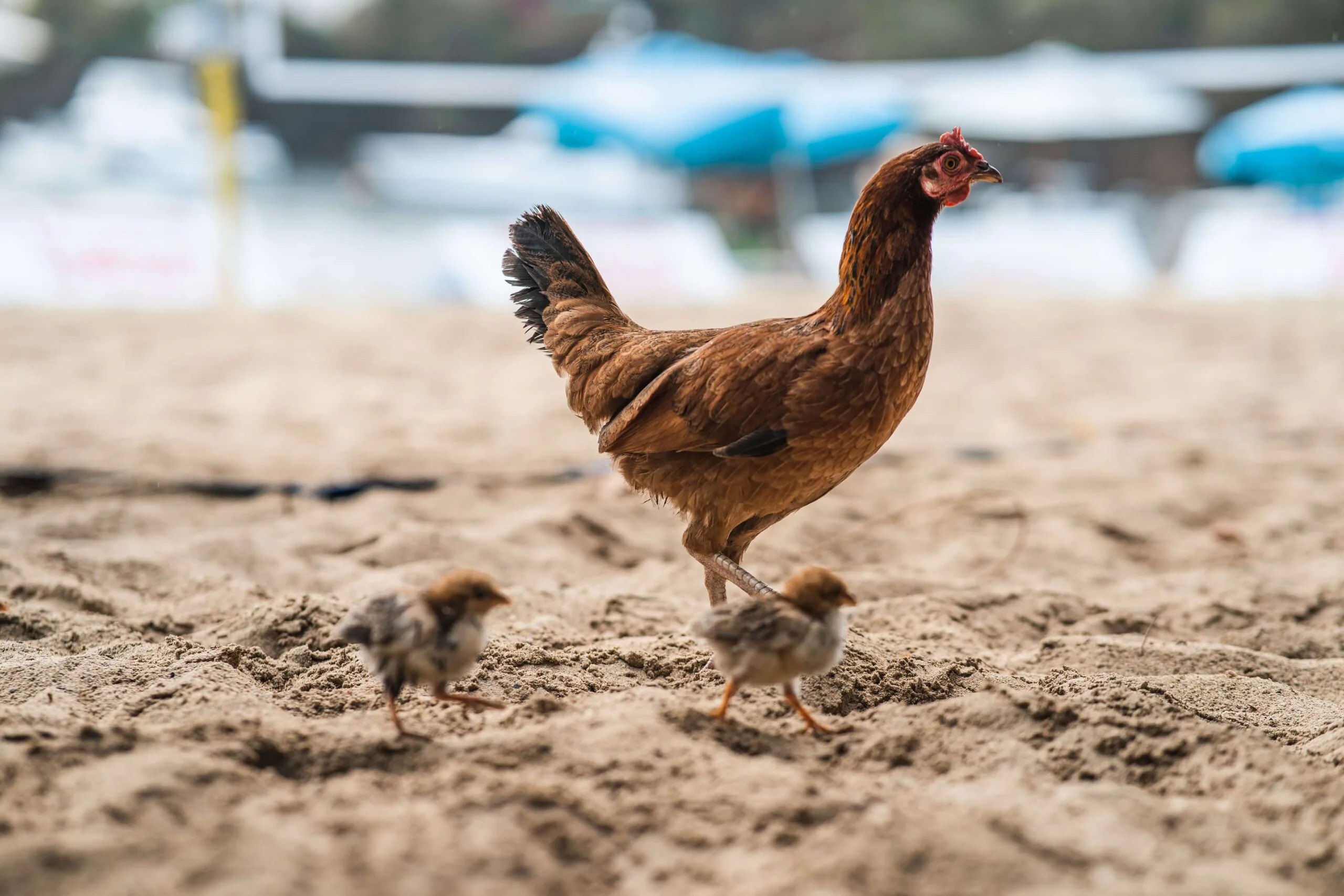
This is a pretty good type of bedding for chickens as you’ll see.
You can not only get this from anywhere, but you can also get this for almost free. Go to any construction site, and you’ll find loads of it lying around. Just ask them to get some.As you read earlier, a good material must be able to absorb and release moisture. Sand does that perfectly.
Not only does it absorb moisture quickly, but it also releases the same moisture in no time. This is useful for the chickens as it prevents them from many diseases.
Of all the materials covered in this article, sand is the best when it comes to moisture retention.Sand is low-maintenance stuff. It’s very easy to maintain. You don’t have to clean it daily.
Since chickens only poop and do not pee, you don’t have to worry about the bedding material getting “wet.” As far as the liquid from the poop is concerned, sand’s moisture retention properties make it so much easy to clean.Some studies have shown that bacteria growth is not promoted in the sand. I think that could be because sand is inorganic is nature.This one depends on the quality of the sand you use. What’s surprising is that even the worst type of sand will give off less dust than any other material on this list (other than * which I don’t have experience using)
- Easily available and often free
- Great moisture releasing ability
- Bacteria growth is not encouraged
- Almost no dust
- Might not be pleasant for some people
- Not-so-good scent
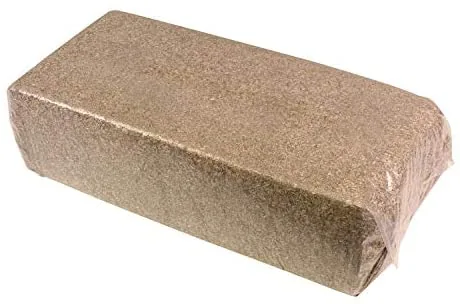
This is a type of bedding material that is man-mane (just like straws). However, straws were not meant to be used as bedding material.
Hemp was created with the purpose of being used as a bedding material. That is why it has some properties that other materials don’t.
Let me be clear. No other material has as many “good” properties as this does.Industrial hemp is a bit less readily available than the other ones. As far as the pricing is concerned, you’ll find this to be pricy.
However, if you calculate the cost that you’ll be spending over a large span of time, you’ll find this to be the cheapest option. It doesn’t require to be changed as frequently as other materials do.Since this has been manufactured synthetically in the laboratory by scientists, its moisture retention is at the sweet spot.
Even though I couldn’t find any exact number, this has got to be just at the sweet spot.This is extremely easy to clean. Take my word for it. It’s almost like it doesn’t even need to be cleaned.Having been created synthetically, bacteria is a thing of the past. By using antibacterials, say bye to bacteria.Due to the nature of the material, this does not attract or give off dust. It’s almost like zero dust with this. This characteristic of hemp bedding allows very less respiratory problems to occur.It’s special composition ensures that it stays odorless. If smells bother you, this is the best option out of all.
- Cost-effective in the long run
- No bacteria
- Easy to clean and maintain
- Expensive in the short run
In my opinion, only two bedding materials are worth going after – sand and industrial hemp. If you want to save some money in the long run, go for hemp. If the smell isn’t an issue for you, and you want to save money in the short term, go for sand.
You can get sand from almost anywhere. As for the hemp, I’ve included the link to an effective one that does the job pretty well.
This is purely mine opinion and this is backed by my tons of experience in this field. Anyhow, what suits me might not suit anyone else.
What sort of bedding do you use and why? Please leave the answer in the comments section below. Sharing experiences is always good.