Deathlayer Chicken (Westfälische Totleger): The Complete Breed Guide
Few chickens come with a name as dramatic as the Deathlayer. It sounds like a bird bred for a horror film — but the reality is a quietly remarkable 400-year-old German heritage breed whose real talent isn't laying a mountain of eggs, it's laying a steady supply of them for far longer than almost any other chicken. If you've stumbled on the name and want to know whether it lives up to the hype (and whether you can actually get one), this is the honest, complete picture.
Deathlayer chickens at a glance
| Breed name | Deathlayer / Westfälische Totleger ("Westphalian death layer") |
| Origin | Westphalia, Germany — documented for ~400 years |
| Varieties | Silver and Gold (no bantam version) |
| Weight | Hens ~4–4.5 lb (2 kg); roosters ~5–5.5 lb (2.5 kg) |
| Eggs per year | ~150–200 small-to-medium white eggs |
| Laying longevity | Its signature trait — lays consistently for many years, well into old age |
| Comb | Flat rose comb (frost-resistant) |
| Eyes | Distinctive solid black |
| Temperament | Active forager, alert, skittish with people, rarely broody |
| Lifespan | ~6–10+ years |
| APA recognized? | No |
| US availability | Very rare — specialty breeders only; expect waitlists |
The name: is the Deathlayer really "laying until it dies"?
The German name Totleger translates literally to "death layer," and the folklore behind it is exactly what you'd guess: the breed was said to lay an egg nearly every day until the day it died. It's a great story, and it's the reason the breed has such a magnetic reputation — but treat it as folklore, not a spec sheet.
The grain of truth is real, though, and it's the whole point of the breed: where most hens lay heavily for two or three years and then taper off sharply, a Deathlayer keeps laying at a steady, respectable rate for many more years. It's not a bird that out-produces a commercial layer in any single season — it's a bird that just keeps going. The name overstates the drama; the longevity is genuine.
Deathlayer egg production: the honest numbers
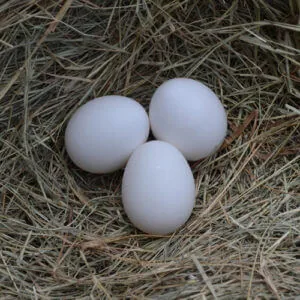
Here's where realistic expectations matter. Keepers who raise Deathlayers consistently report roughly 150–200 small-to-medium white eggs per year. That's a solid backyard layer, but it is not a production powerhouse — a hybrid or a good production breed like a Leghorn will comfortably out-lay it in raw annual numbers.
So why keep one for eggs at all? Because of the trait the name points at: consistency over the long haul. Keepers report that Deathlayer hens keep laying reliably into old age, years after other breeds have slowed to a trickle. Add up a decade of steady laying and the lifetime total becomes genuinely impressive — the Deathlayer is a long-term investment, not a first-year sprint. One honest caveat keepers raise: they're sensitive to stress, so a move, a predator scare, or poor nutrition can pause the cycle.
Appearance: the Silver and Gold varieties
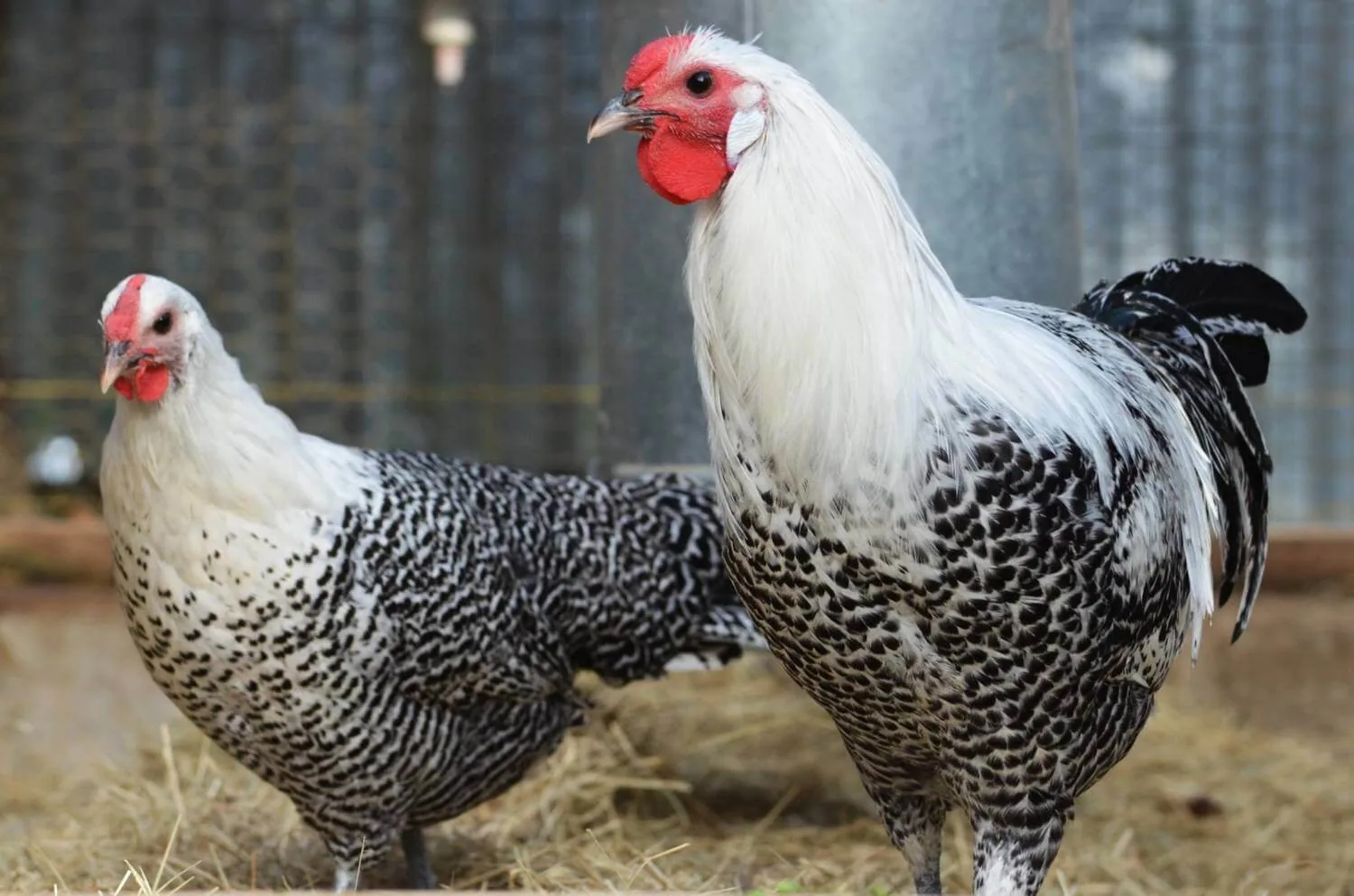
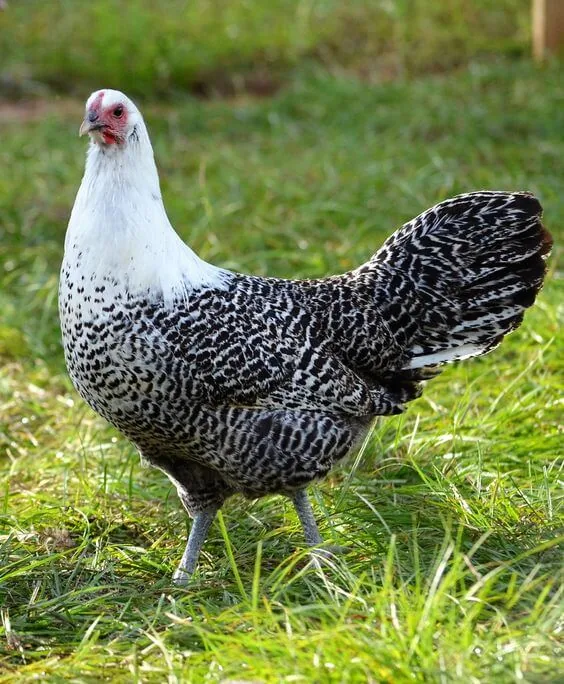
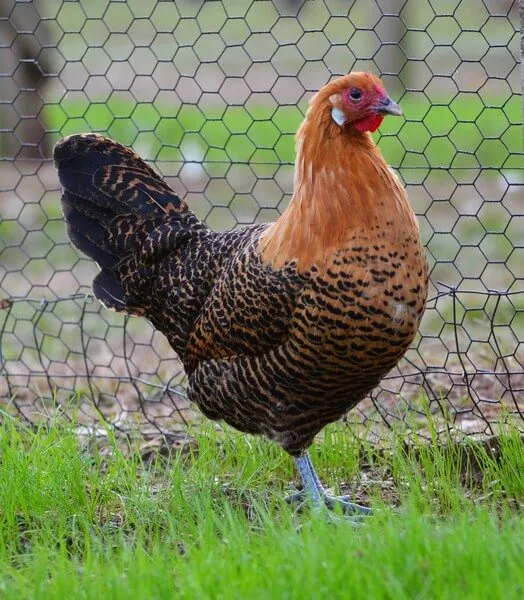
Deathlayers are striking, upright birds with an alert, almost game-like carriage. Two things instantly mark a purebred: a flat rose comb and solid black eyes (paired with medium wattles). They come in two colour varieties:
- Silver Deathlayer — silvery-white plumage; roosters carry a white cape and a black tail with an iridescent green-blue sheen, while hens show finer, more refined penciling.
- Gold Deathlayer — warm orange-and-gold plumage with green and purple iridescence.
Hens weigh about 4–4.5 lb and roosters about 5–5.5 lb — a medium-framed bird, with no bantam version of the breed.
Breed recognition and rarity
The Deathlayer is not recognized by the American Poultry Association. We checked the primary source: the breed appears nowhere in the APA's American Standard of Perfection (1910 edition), and it remains absent from the Standard today. That's not a knock on the bird — it simply reflects how rare it has always been outside Germany, and it's part of why sourcing purebred stock takes effort.
In the United States the breed is genuinely scarce. It isn't stocked by the big hatcheries; it exists here almost entirely through a handful of specialty breeders and heritage-breeding programs working from a small pool of imported birds — the importer most associated with bringing the breed to the US is Greenfire Farms. That scarcity is central to everything below — the price, the waitlists, and the single biggest risk to watch for.
Temperament: a working forager, not a lap pet
Deathlayers are active, independent, and happiest outdoors. Keepers describe them as tireless foragers that thrive with room to range and forage for a good share of their own food. They're friendly enough within a flock and generally non-aggressive, but they are skittish with people and dislike being handled — this is not a bird that wants to sit on your lap. If you're after a cuddly companion, a Silkie is a far better fit; the Deathlayer is a bird for keepers who value a self-reliant, alert, low-fuss forager.
They also rarely go broody. That's a plus for steady egg-laying, but it means a Deathlayer hen usually won't hatch her own eggs — to reproduce the breed you'll need an incubator or a reliable broody hen of another breed.
Health, hardiness, and the one sourcing mistake to avoid
As a breed, Deathlayers are hardy and low-maintenance. They handle both cold and heat well, and unlike single-combed breeds their rose comb is naturally resistant to frostbite, which makes them a sensible choice for cold climates. There are no health problems specific to the breed itself.
The real risk isn't the bird — it's the gene pool. Because the US population descends from a small number of imports, careless line-breeding (mating close relatives) is the breed's biggest threat: it can produce leg problems and shortened lifespans, which quietly cancels out the breed's whole longevity advantage. The keepers doing this well are explicit about it — they deliberately source birds from several unrelated bloodlines across the country to keep the genetics diverse. So when you buy, ask the breeder directly: how many unrelated bloodlines are in your program, and what's your plan to avoid inbreeding? A serious breeder will have a real answer.
Sourcing and cost
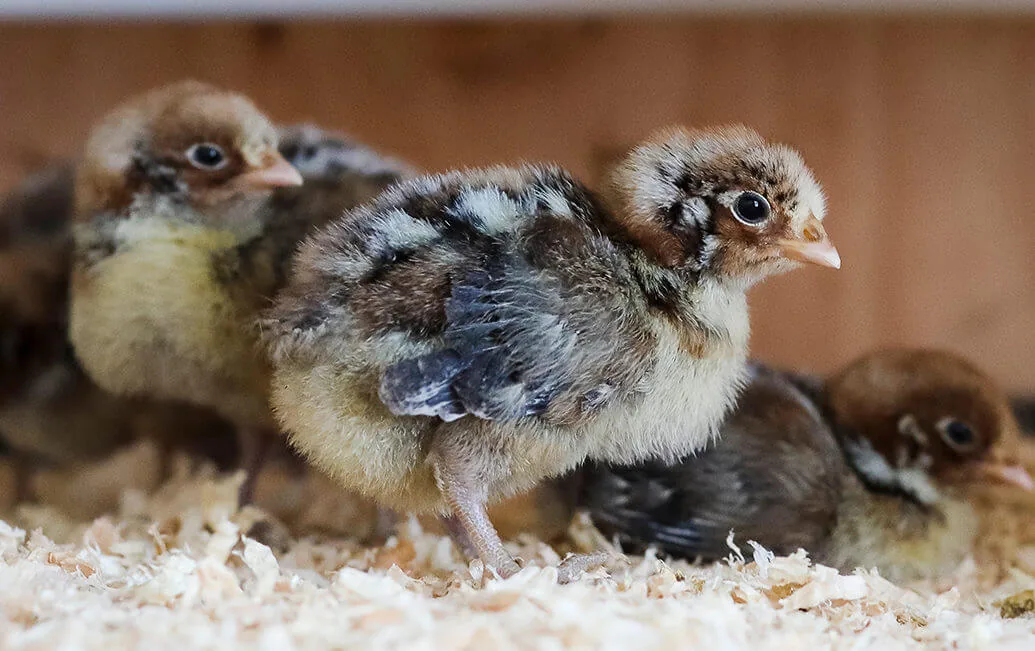
Expect to work for it. Deathlayers are sold through specialty and heritage breeders rather than mainstream hatcheries, waitlists are common, and prices reflect the rarity: keepers report roughly $25–$60 per chick, with breeding-quality adults costing considerably more. Buy on the strength of the breeder's genetics and reputation, not just availability — with a rare breed, who you buy from matters more than what you pay.
Is the Deathlayer right for your flock?
Great fit if you want an ultra-rare, beautiful heritage bird, you value a self-sufficient forager over a pet, and you're playing the long game on eggs — steady laying for a decade rather than a big first-year haul. Its cold-hardiness and frost-resistant comb make it a strong choice for northern keepers.
Look elsewhere if you want maximum eggs per year (choose a production layer), a friendly bird your kids can hold (a Silkie or Cochin), or a low-effort purchase — sourcing a healthy, well-bred Deathlayer takes patience and research. Get the dry-and-safe basics of good keeping right and you'll get the most from any bird; here are the factors that affect a chicken's lifespan, and our guide to the ideal temperature for chickens.
Frequently asked questions
How many eggs does a Deathlayer lay per year?
About 150–200 small-to-medium white eggs a year. It's a steady layer rather than a high-volume one — its strength is laying consistently for many years, not out-producing a Leghorn in any single season.
Do Deathlayers really lay until they die?
No — that's the folklore behind the name. What's true is that they keep laying reliably far longer than most breeds, well into old age.
Are Deathlayers recognized by the APA?
No. The breed does not appear in the American Standard of Perfection (it wasn't in the 1910 edition and isn't recognized today).
Do Deathlayers go broody?
Rarely. That's good for egg production but means they usually won't hatch their own chicks — you'll need an incubator or a broody hen of another breed.
How long do Deathlayers live?
Around 6–10+ years with good care and, crucially, sound genetics — poorly line-bred birds can die young, which is why sourcing matters so much.
How much does a Deathlayer chicken cost?
Roughly $25–$60 per chick from specialty breeders, with breeding-quality adults costing more. Waitlists are common.
What colors do Deathlayers come in?
Two varieties: Silver and Gold. Both have the breed's signature flat rose comb and solid black eyes.