Olive Egger Chickens: What They Really Lay (and the Cross Behind It)
Here's the thing almost every Olive Egger page skips: there is no "olive" pigment. An olive egg is a blue egg wearing a brown coat. Every chicken egg starts out white or blue; brown is a separate pigment layer painted on top as the egg forms. Combine a blue shell with a heavy brown coating and your eye reads the result as olive. Once that clicks, the whole breed makes sense — which parents you need, why one cross lays army-green and another lays sage, and why an Olive Egger is not the same bird as an Easter Egger. This is the honest guide to what these birds lay, the genetics behind it, and what they're really like to keep.
Olive Egger chickens at a glance
| Breed type | Hybrid (a deliberate cross), not a standardized breed |
| What makes the egg | A blue-egg parent × a dark-brown-egg parent |
| Egg colour | Shades of green to deep olive; varies by bird and by cross |
| Eggs per year | Roughly 150–200 in a typical laying flock |
| Comb / legs | Usually a pea comb; often willow (green) legs — but variable |
| Appearance | Highly variable — it's a cross, so no two need look alike |
| Temperament | Generally friendly but independent; varies bird to bird |
| APA recognized? | No — hybrids aren't standardized breeds |
| Good for beginners? | Not really — see the honest take below |
What is an Olive Egger, exactly?
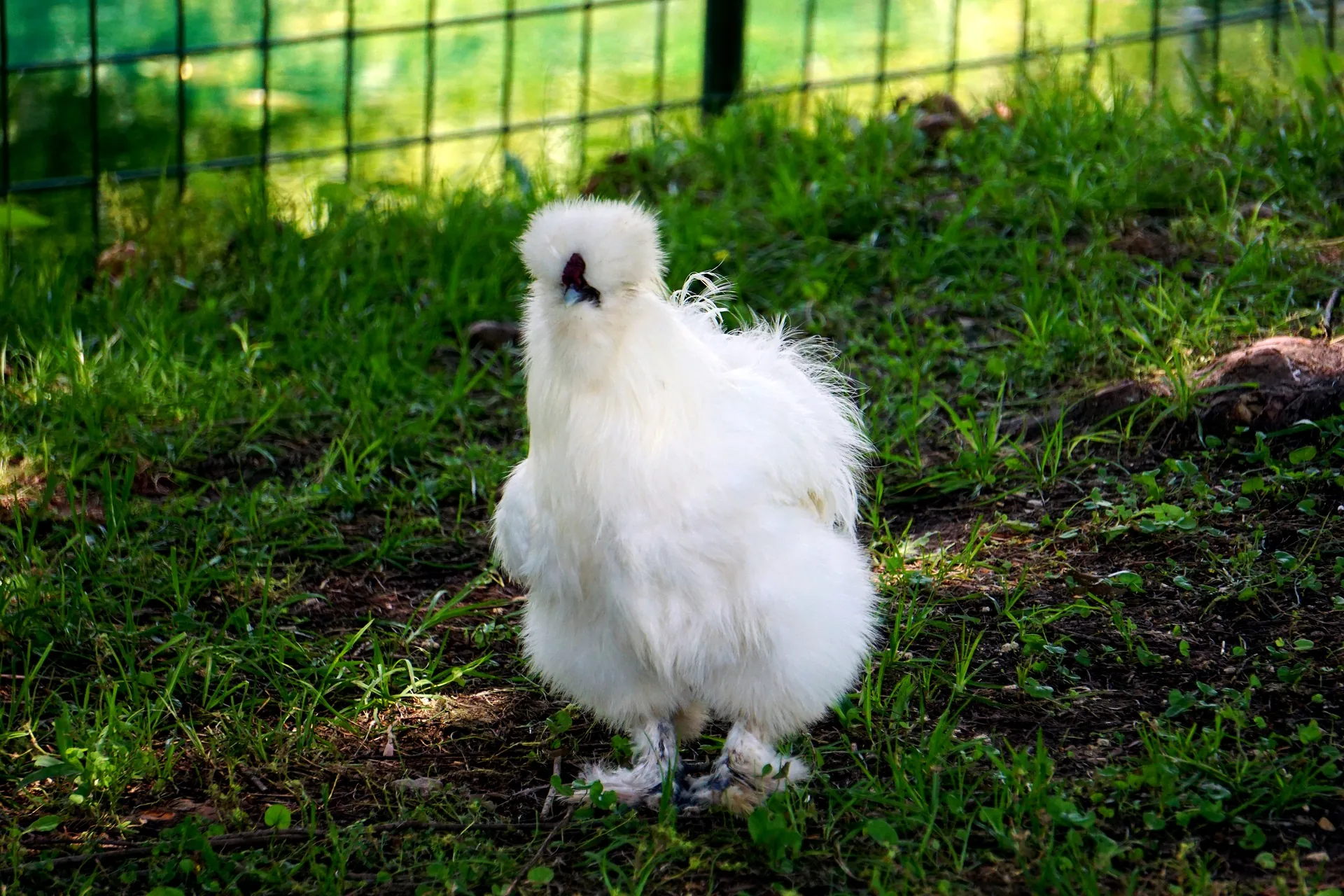
An Olive Egger is a hybrid, not a breed. That distinction matters: a breed (a Marans, a Silkie) is standardized and breeds true — cross two and the chicks look and lay like the parents. An Olive Egger is a purpose-made cross, so it doesn't breed true and there's no official standard for it (it isn't recognized by the American Poultry Association, and you won't find it in a heritage-breed registry like The Livestock Conservancy's list). What it is is a reliable recipe for one thing: an olive egg.
The recipe has exactly two ingredients:
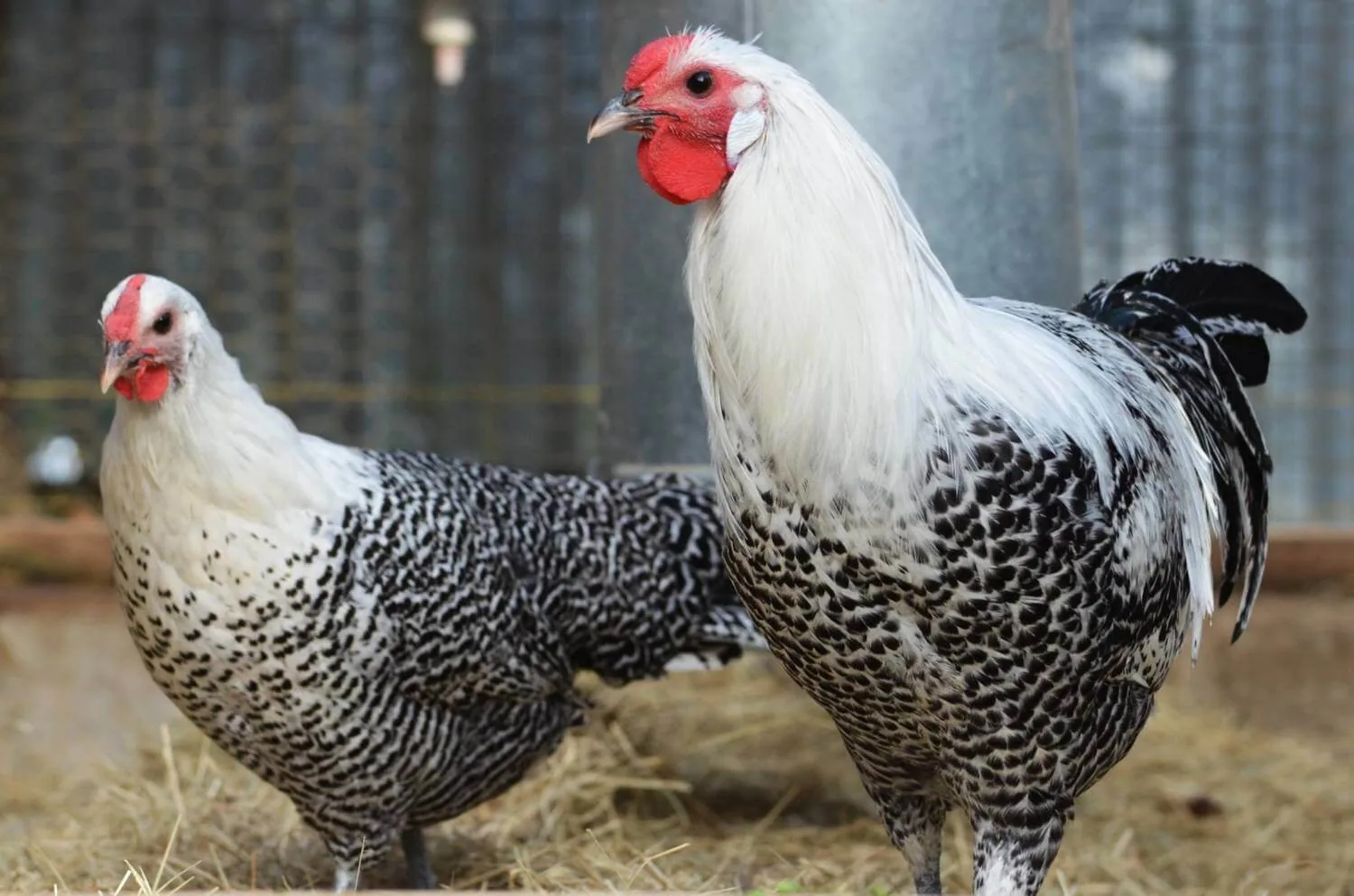
- A blue-egg parent — a bird carrying the blue-eggshell gene, such as an Ameraucana or a Cream Legbar. A blue egg is blue all the way through the shell.
- A dark-brown-egg parent — a bird that lays a heavily-coated brown egg, such as a Marans or a Welsummer. Brown is a pigment applied to the outside of the shell.
Cross the two and the chick lays a blue shell with a brown coat over it — olive. Because the blue must come from at least one parent, a first-generation olive egg is never brown; even a light one comes out grey-green or lime, not tan. And crucially: pair two birds that don't include a blue-egg layer and you won't get olive at all — you'll get brown. That's the single fact that separates people who get the eggs they wanted from people who are disappointed.
Olive Egger egg colour: the honest version
The colour is the whole point of the bird, so let's be precise about it. Expect a range from lighter sage and moss greens to deep, dark army-olive — and expect it to vary from hen to hen, even among sisters. That variability is a feature of a hybrid, not a fault.
How dark you get comes down mostly to the brown-egg side of the cross. The heavier the brown coating the brown parent lays, the deeper the olive — a dark French Marans over a blue layer pushes toward that inky army-green, while a lighter-brown parent lands nearer sage. There's no magic "olive gene" to dial in; you're stacking a brown coat over a blue base, and the coat's thickness sets the shade.
🐔 From our coop
Our own Olive Eggers trace back to a Cream Legbar cross — the Legbar brings the blue base — and they lay a solid medium olive. What surprised us is what actually moves the colour day to day: it's far less about the hen's age than about how happy and how well-fed the flock is. When ours are settled and on good feed the olive stays rich and consistent; let something stress them or slip on nutrition and you'll see it in the shell. We keep them on organic feed specifically for colour consistency — it's the single biggest lever we've found. And yes, the exact shade drifts a little from one lay to the next — which we've come to love. A basket of slightly different olives beats a dozen identical eggs any day.
On numbers: a typical Olive Egger in a laying flock does around 150–200 eggs a year — a good, not record-breaking, layer. If you keep just a bird or two (a breeding pair rather than a production flock), plan for far fewer in the basket, and know they'll pause when they're broody or out of sorts.
What shade will my cross lay? (the colour spectrum)
This is the question every buyer actually has, and no hatchery page answers it. Here's the honest map — remember individual birds vary, so treat these as the centre of a range, not a guarantee:
| The cross (blue × brown) | Roughly what you get |
|---|---|
| Dark Marans × blue Ameraucana | The deepest, darkest army-olive |
| Welsummer or lighter brown × Cream Legbar/Ameraucana | Lighter sage-to-moss green |
| F1 Olive Egger hen × dark-brown rooster (an "F2 backcross") | Pushes darker — the way breeders chase inky olive |
| Olive Egger × pure Ameraucana | Swings back toward turquoise/blue-green |
The through-line: darker brown parent → deeper olive; more blue in the mix → greener/lighter. That's the entire dial.
Olive Egger vs Easter Egger — the confusion, settled
These two get mixed up constantly, and they're genuinely different birds. The short version: an Easter Egger lays one colour — blue, green, or a tinted brown — but you don't know which until she lays. An Olive Egger is bred specifically for olive.
| Olive Egger | Easter Egger | |
|---|---|---|
| Egg colour | Olive/green (bred for it) | Blue, green, or brownish — a lottery per bird |
| How it's made | Blue layer × dark-brown layer | Any bird carrying a blue gene, crossed with anything |
| Predictability | Reliably olive-ish | Unpredictable until she starts laying |
| Breed type | Hybrid, no standard | Hybrid, no standard |
Neither is an APA breed. If you specifically want olive eggs, you want an Olive Egger; if you want a surprise and don't mind which, an Easter Egger is the cheaper gamble.
F1 vs F2: which should you buy?
You'll see Olive Eggers sold as F1 or F2, and it changes what you get:
- F1 is the first cross — a blue-egg parent directly over a brown-egg parent. F1s are the most reliable olive layers, and a good starting point for most keepers.
- F2 comes from breeding an F1 hen back to a dark-brown rooster. This backcross piles on more brown coat, chasing a deeper olive — but with more variability in both egg colour and feathering, since you're stacking hybrid on hybrid.
Simple rule: want a dependable olive egg? Start with F1. Chasing the darkest possible egg and happy to accept more variation? That's the F2 game. Just don't expect either to breed true — cross two Olive Eggers and the chicks scatter, because hybrids don't reproduce themselves.
Appearance and temperament
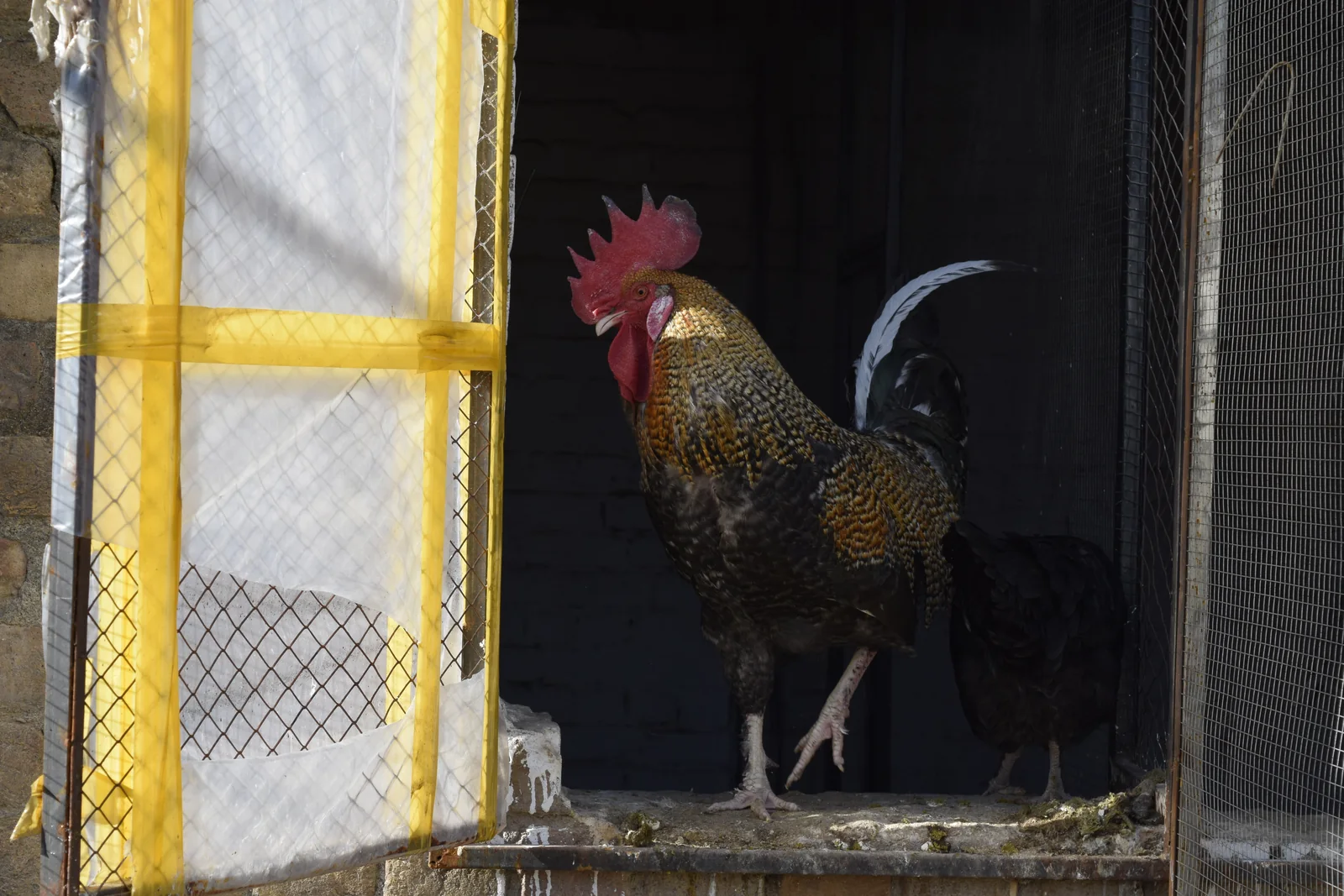
Because it's a cross, appearance is genuinely variable — most carry a pea comb and often willow (green) legs from the blue-egg side, but feather colour and pattern can land almost anywhere depending on the parents. If you want a specific look, ask the breeder about the exact cross; if you just want the eggs, embrace the grab-bag.
Temperament is similarly individual, but the general read is friendly and curious without being needy.
🐔 From our coop
Ours are friendly, but only up to a point — they like their own space. We deliberately keep our breeds separated rather than running everyone together, because it keeps stress down, and with these birds stress shows up directly in laying and egg colour. One quirk worth knowing: they'll sometimes drop egg production out of nowhere and go a bit broody — but with ours it reads more like a mood than true, sit-tight broodiness. Read the bird, give her space, and she comes back around.
Are Olive Eggers good for beginners?
Honestly — not as a first bird. Two reasons.
🐔 From our coop
First, it's a cross, so what you get is less predictable than a standardized breed — not the easiest thing to learn on. Second, and more important, getting the best out of them is really about mood management — keeping them genuinely happy — and that's a feel you build with experience, not something a beginner has yet. That's not a reason to avoid them forever; it's a reason to start learning the reading-your-birds skill, because it's what backyard keeping is really about. A great second or third breed, once you've got the basics down.
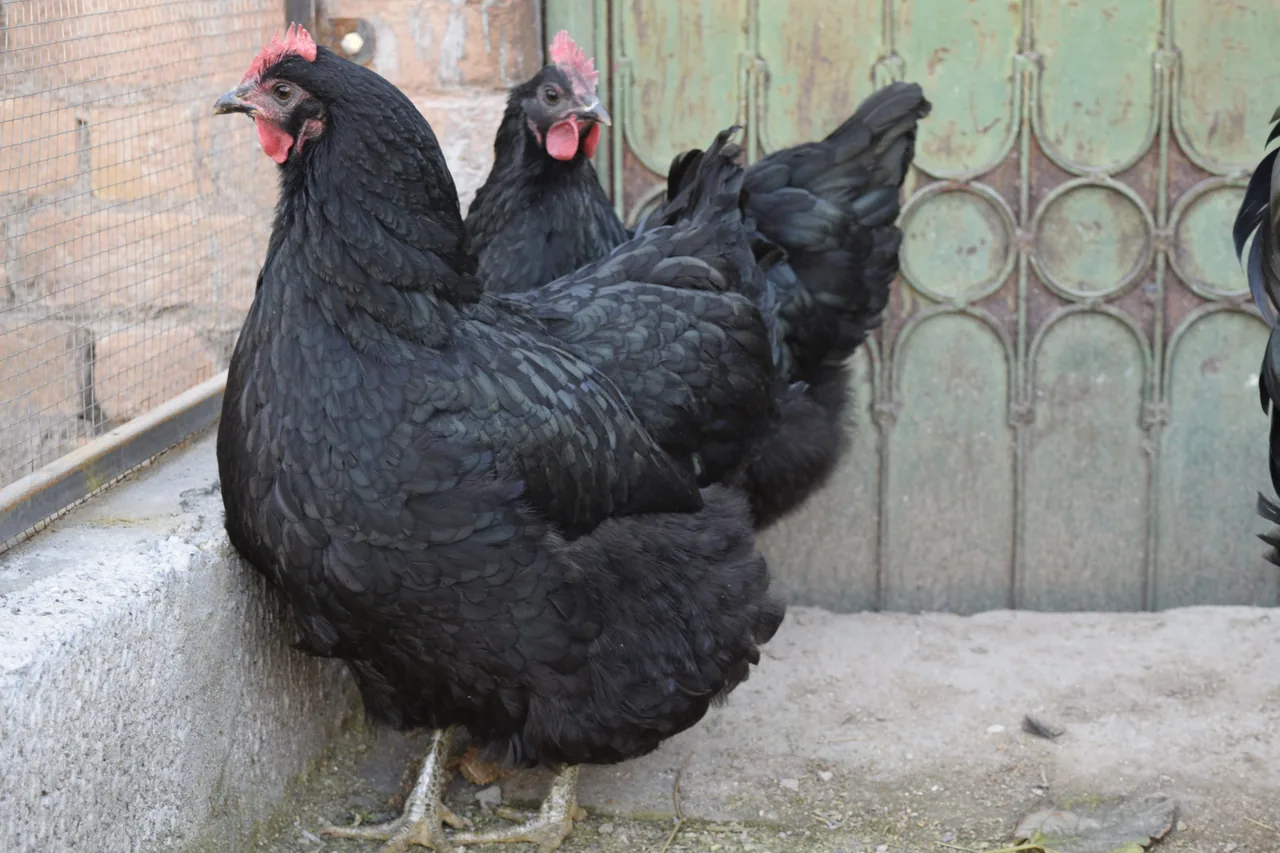
If you're picking a genuine first flock instead, a calm, forgiving all-rounder like the Australorp is a kinder place to start.
Cost, sourcing, and care
Olive Eggers are widely available as hatchery chicks, and local breeders often sell sexed pullets or hatching eggs — prices climb for hatching eggs from a proven dark-olive line, and demand peaks through spring and early summer, so expect the occasional waitlist. Because it's a cross, who you buy from matters more than usual: ask what the actual parent breeds are (that's what sets your egg colour), and whether they're selling F1 or F2.
Day-to-day care is standard good chicken-keeping — with one seasonal note that matters for these birds in particular.
🐔 From our coop
A nice shady run keeps ours cool and happy, and with this breed "happy" isn't a soft word — it feeds straight back into laying and shell colour. Shade, calm, and steady good feed are the levers. For the wider picture on heat and cold, our guide to the ideal temperature for chickens covers what actually keeps a flock comfortable, and the right coop bedding keeps the nest clean so those olive eggs come in spotless.
Frequently asked questions
What colour eggs do Olive Eggers lay?
Shades of green to deep olive, varying by bird. The darker the brown-egg parent in the cross, the deeper the olive; more blue in the mix gives a lighter, greener egg.
Are Olive Eggers a real breed?
No — they're a hybrid cross bred specifically for olive eggs, not a standardized breed. There's no APA standard, and they don't breed true.
Can I breed two Olive Eggers and get more Olive Eggers?
Not reliably. Hybrids don't reproduce themselves — the chicks scatter in colour and type. To make more, you cross a blue-egg layer with a dark-brown-egg layer again.
What's the difference between an Olive Egger and an Easter Egger?
An Olive Egger is bred for olive eggs. An Easter Egger lays a single colour — blue, green, or brownish — but which one is a surprise until she starts laying.
How many eggs do Olive Eggers lay?
Around 150–200 a year in a typical laying flock — a good, not record-breaking, layer. Fewer if you keep just a pair, and they'll pause when broody or stressed.
Do Olive Egger eggs change colour?
The shade drifts a little lay to lay, and it tracks how happy and well-fed the flock is more than the hen's age — good, steady nutrition keeps the colour richest.